There are a number of important things to think about when looking for a
 Essential Features of Hearing Impaired Big Button Phones
Amplified Sound and Volume Control
An enhanced sound system is one of the most important aspects of a hearing impaired big button phone. These phones make sounds 40 to 50 decibels louder, which is a lot louder than regular phones. This function lets people who are hard of hearing set the volume to a level that works for them, making sure that talks are clear and loud.
Also, tone control that can be changed is often part of more complicated models. This feature lets people change the phone's audio frequency so that high, mid, or low tones are more pronounced depending on how they hear. By adjusting the tone and level, users can make the best listening experience for their own hearing needs.
Large, High-Contrast Buttons
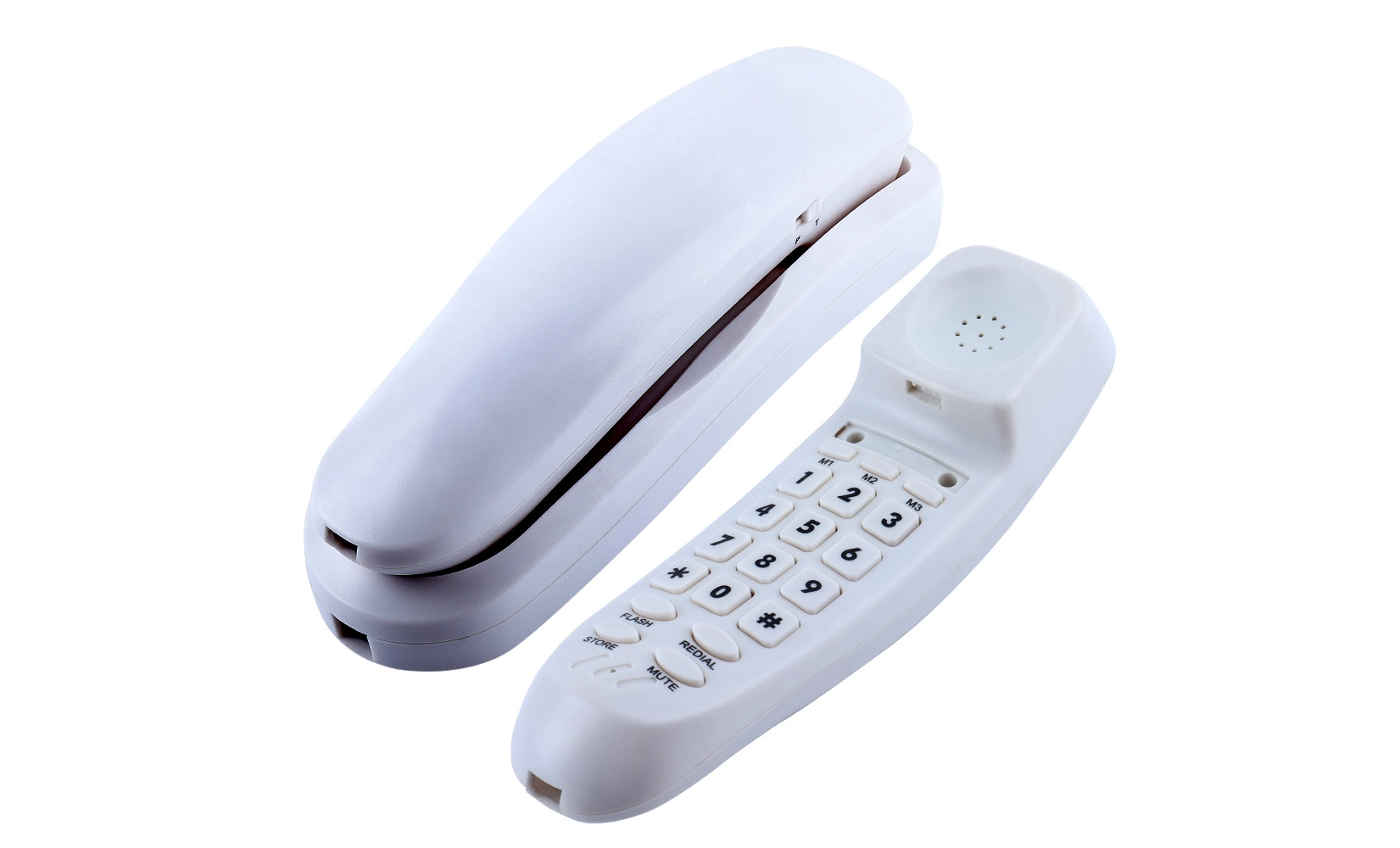
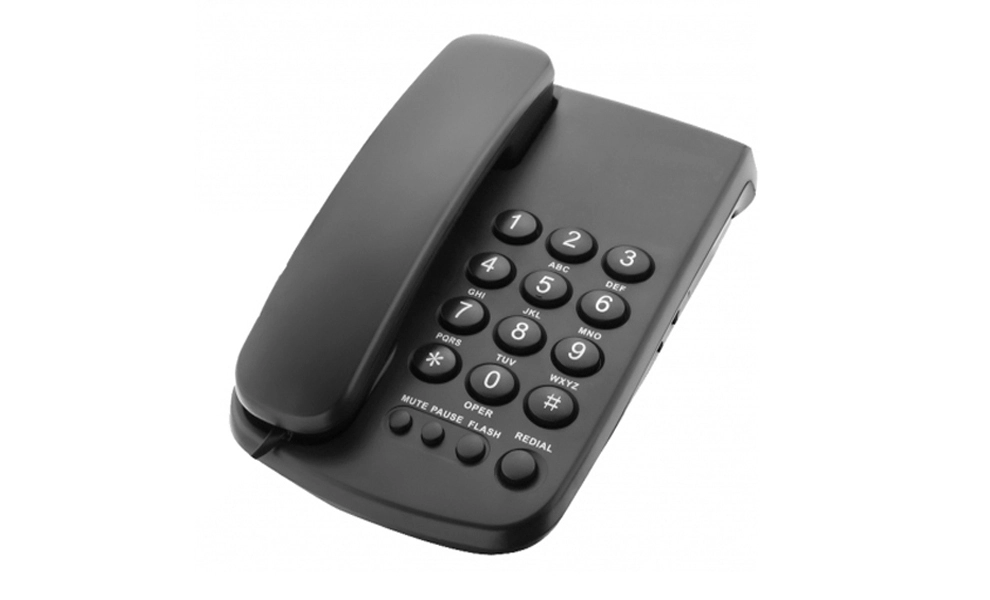
Big button phones have large keys that are easier to see and press, just like the name says. Most of the time, these buttons have high-contrast colors and big, clear numbers or letters. This style helps people who are deaf or hard of hearing, as well as people who have trouble seeing or can't use their hands very well.
A lot of models go further by adding keypads that are lit from behind. This feature lights up the buttons so that they can be seen clearly when it's dark. Some fancy phones have talking keypads that tell you what number you hit, giving extra sound feedback to users.
Visual Ring Indicators
For people who are hard of hearing, audio ring alerts might not be enough. That's where clear ring signs are useful. These can include lights that flash and turn on when the phone rings. Some models have multiple bright lights put in just the right spots around the phone so that they can be seen easily.
Some hearing impaired big button phone models also feature buzzing alerts in addition to bright lights. These are especially helpful for people who can't always see their phone. With loud sounds, bright lights, and movements, users are sure to never miss an important call.
Advanced Features for Enhanced Usability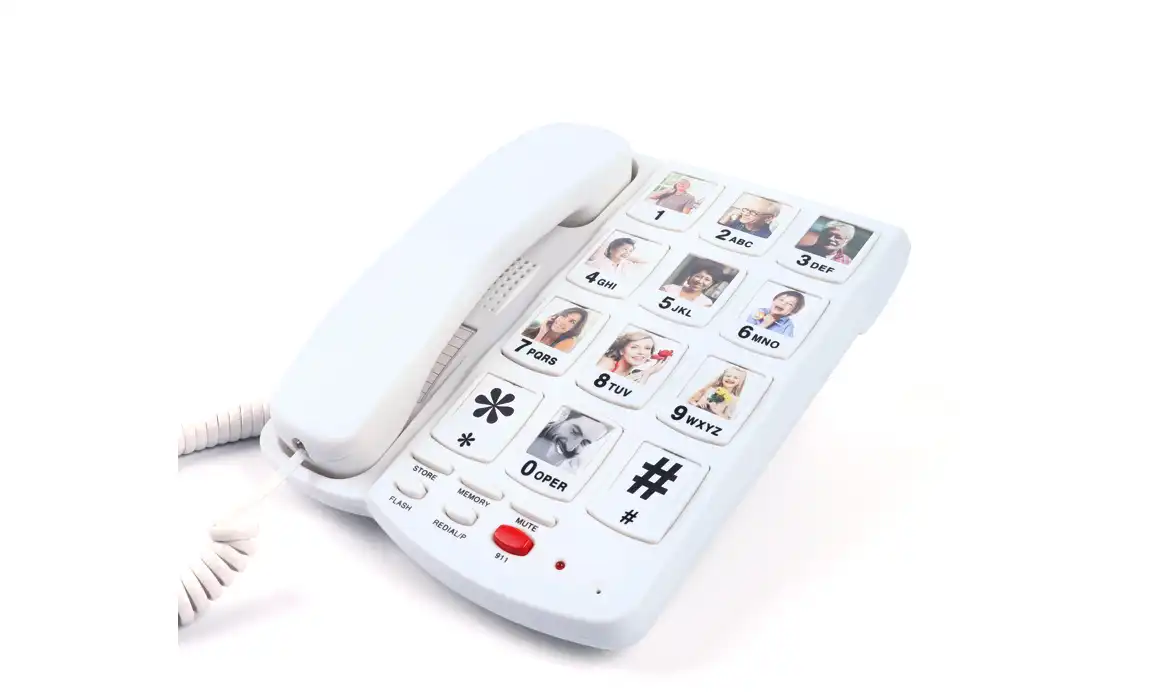
Hearing Aid Compatibility
For people who wear hearing aids, how well something works with those aids is very important. Try to find phones that are compatible with hearing aids (HAC) and have a telecoil (T-coil) function. When using hearing aids to talk on the phone, these technologies work together to lower noise and boost sound quality.
Some more high-tech types offer Bluetooth, which lets users connect their hearing aids straight to their phone. This function can make calls a lot clearer and remove the need for extra sound boosting.
Programmable Speed Dial Buttons
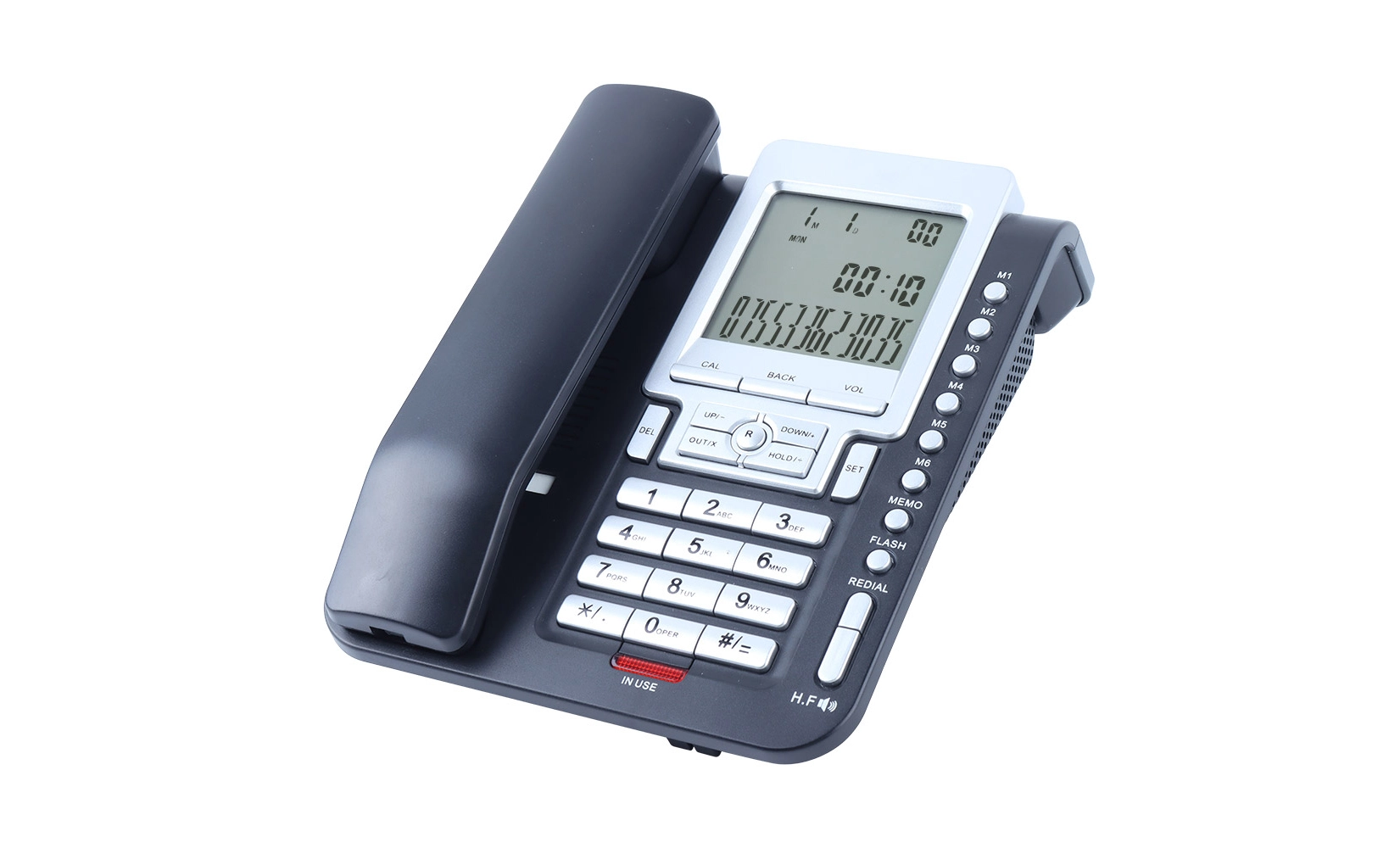
Any user can benefit from programmable speed dial buttons, but they are especially helpful for people who can't hear well. With just one press, these big buttons, which are often photo-enabled, let people quickly call numbers they call a lot. This function makes talking easier and lessens the chances of making mistakes when texting.
Some models have up to 10 or more buttons that can be programmed. This lets users put emergency contacts, family members, and important services so they can get to them quickly and easily. This trait makes users and their guardians feel safe.
Emergency Features
Many hearing impaired big button phone users place a high priority on safety. A lot of models have emergency features, like a button that you can press to call for help. When this button is hit, it can instantly call emergency numbers that were set ahead of time or turn on a personal alert system.
Some more basic phones also come with technology that can sense when they fall. The phone can automatically call for help if it detects a fall. This gives users who live alone more safety. Along with loud speakerphone capabilities, these features make sure that help can be called quickly in a situation.
 Additional Considerations for Optimal Communication
Talking Caller ID
Talking Caller ID is a function that tells you the name or number of a person who is calling. People who have trouble reading the display screen will benefit from this voice message. It lets people see who's calling without having to pick up the phone or try to read small words on the screen.
Some more advanced models even let users record custom sound messages for certain friends. This makes it even easier to tell when an important caller is calling. This function makes the phone easier to use and helps people decide if they want to answer a call or send it to voicemail.
Answering Machine with Slow Playback
For any phone, but especially for hearing impaired big button phones, an integrated answering machine is a valuable tool. Find models with changeable playing speed so that people can slow down messages to understand them better. This function is especially useful for people who need more time to understand audio content.
Some phones also have visual message waiting signs, like big, bright lights or prompts on the screen. These visual cues make sure that people know they have a new message, even if they didn't hear the phone ring.
Cordless Options with Multiple Handsets
Many hearing impaired big button phones are wired for durability, but there are also portable choices. These phones can be used anywhere in the house because they come with a handset that you can take with you. Find versions that handle multiple handsets so that phones can be put in different places and be easier to get to.
Some portable systems also let you talk between handsets, which can be helpful for people in the same house to talk to each other. If you pick a portable model, make sure it has the basic features you need, such as louder sound and big buttons on every handset.
Conclusion
To ensure the best connection and freedom for users with hearing impairments, choosing the right hearing impaired big button phone requires careful consideration of a variety of features. These phones are made to improve the calling experience for people who have hearing challenges. They have basic features like louder sound and big buttons with high contrast, as well as more advanced ones like talking caller ID and emergency alert systems.
You can pick out a phone that not only helps people talk to each other but also makes people feel safe and calm by focusing on features that meet the user's exact needs. The best phone is one that is easy to use and has strong sound and clarity so that every exchange is heard loud and clear.
FAQ
Can all hearing aids be used with hearing impaired big button phones?
The majority of hearing aids, especially those with telecoil technology, are made to work with hearing impaired big button phones. It's still a good idea to make sure that this type works with your hearing aid, though.
Can people who don't have hearing problems use these phones?
Of course! These phones were made for people who are hard of hearing, but they could also be good for anyone who wants bigger buttons, louder sounds, or better visual features.
How often should I replace my hearing impaired big button phone?
These phones can last for different amounts of time, but in general, think about changing them every 5 to 7 years or when new technology comes out that has much better features or sound quality.
Hearing Impaired Big Button Phone Solutions | CHEETA
At CHEETA, we specialize in manufacturing high-quality hearing impaired big button phones that combine cutting-edge technology with user-friendly design. Our plant makes reliable and cutting-edge communication tools. It has the latest technology and is run by engineers with a lot of experience. We make sure that each phone meets strict CE and ROHS standards. Get in touch with our team at allen@cheeta.com.cn for specialized hearing impaired big button phone options that are made to order.cn. Try out the improved contact system from CHEETA.
References
1.Johnson, M. (2022). "Advancements in Assistive Communication Devices for the Hearing Impaired". Journal of Audiology and Communication Research, 15(3), 78-92.
2.Smith, A. & Brown, L. (2021). "User Experience Design in Big Button Phones for Seniors and Hearing Impaired Individuals". International Journal of Human-Computer Interaction, 37(5), 412-428.
3.National Institute on Deafness and Other Communication Disorders. (2023). "Technology for Hearing Loss: Phones and Mobile Devices". NIDCD Health Information.
4.Thompson, R. (2020). "The Impact of Amplified Telephones on Quality of Life for Individuals with Hearing Loss". American Journal of Audiology, 29(2), 184-196.
5.Lee, K., et al. (2023). "Comparative Analysis of Features in Modern Hearing Impaired Telephone Systems". IEEE Transactions on Biomedical Engineering, 70(6), 1523-1535.