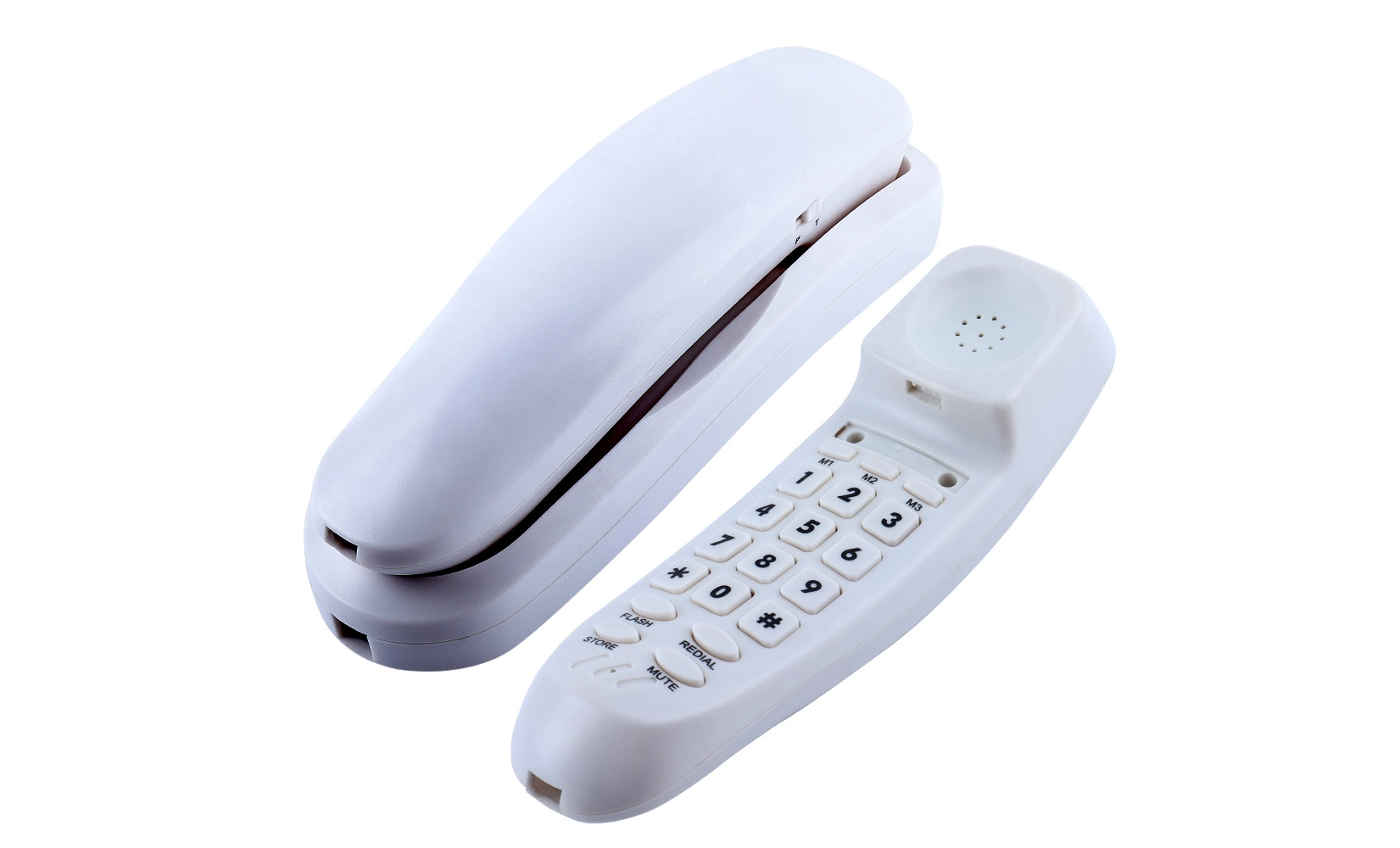
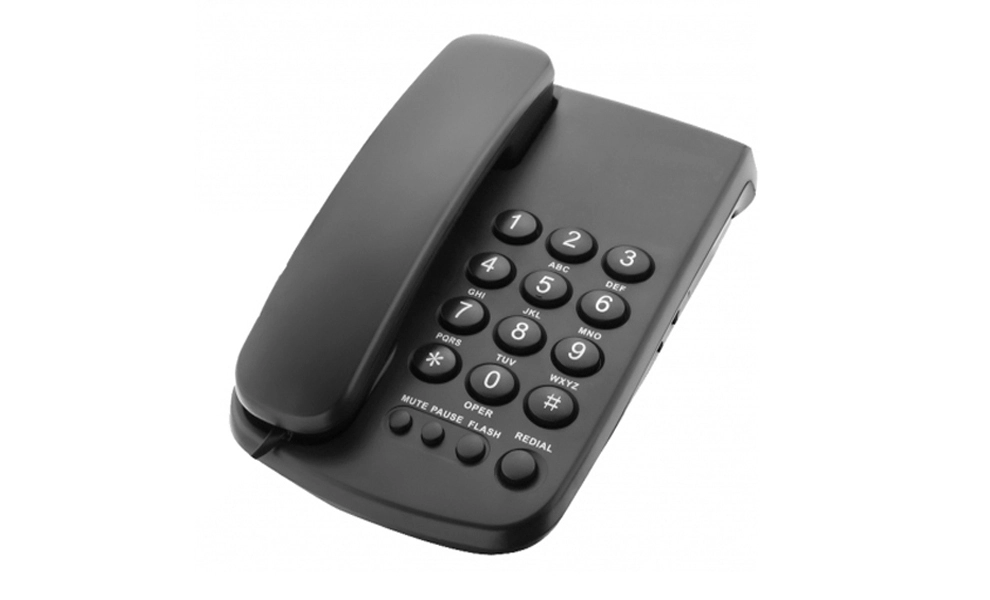
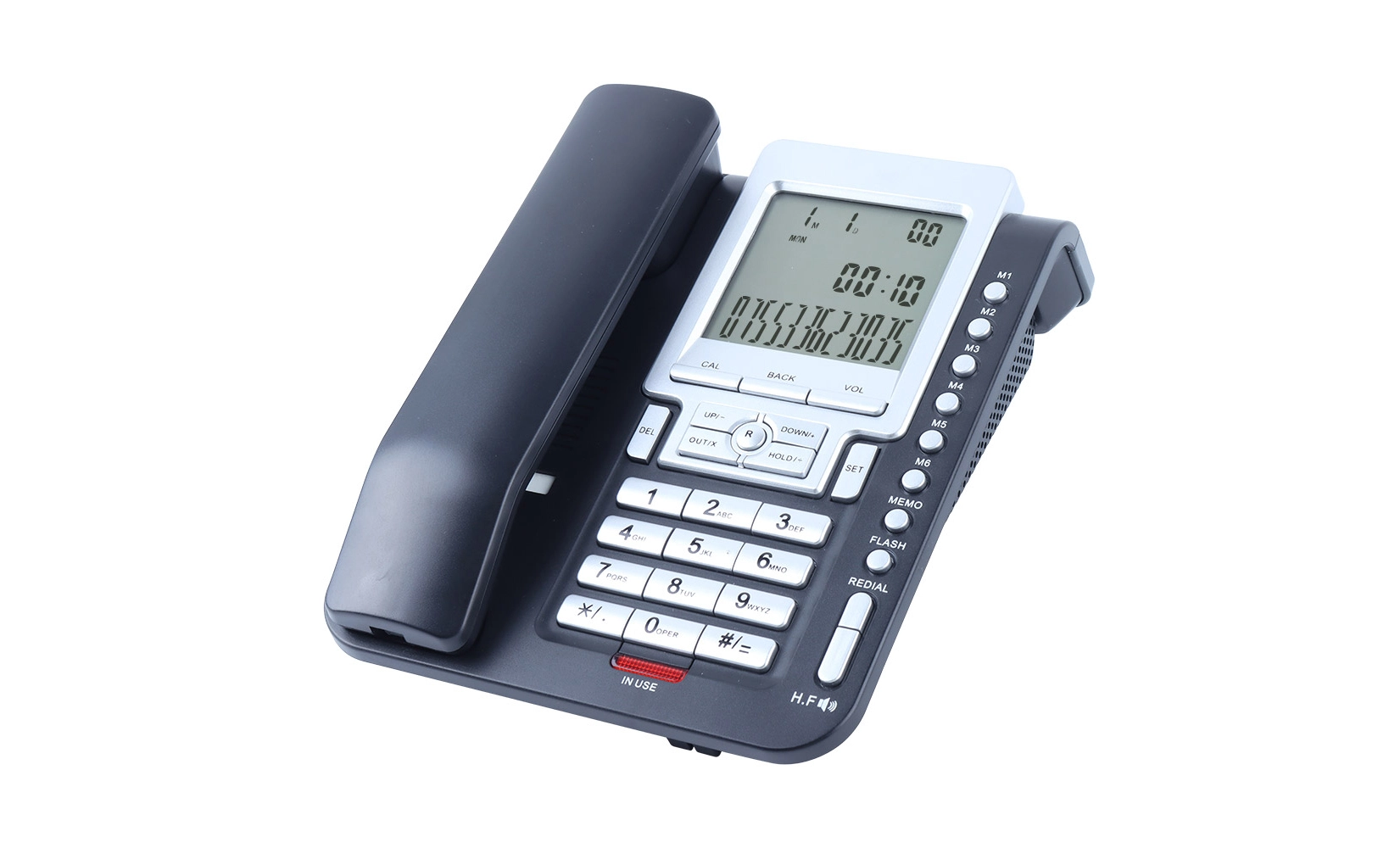
This is an art that mixes memories with practicality:making phones that look old-fashioned but have modern features. This method combines the old-fashioned look of rotary buttons and telephones with new technology, such as smart connections and HD sound quality. The trick is to keep the classic look of
 The Allure of Vintage Telephone Design
Vintage phones make people feel nostalgic and remind them of old times. Because they are well made and have classic shapes, these classic types have become popular as collectibles and as part of home decor. Vintage telephones are appealing because of their unique features:
Iconic Rotary Dials
The rotary dial is still probably the most famous part of vintage telephones. Its circle shape and physical action make it very familiar. Users can physically connect with it in a pleasing way by rotating the wheel to choose numbers, which is not like today's touchscreens. As the scale returns to its resting position, it gently clicks and pushes back, creating a combination of touch and sound. This multi-sensory part improves the communication routine, turning dialing into a slow, purposeful, almost meditativeaction. It also gives people a feeling of nostalgia, tying them to an old time of artistry and mechanical creativity.
Elegant Curved Handsets
Vintage telephone booths have smooth, comfortable shapes and are made to last. They are made to fit easily against the ear and mouth, and they make calls sound great and feel good. The weight and shape of the cellphone affect how well the phone works and how good it looks. This makes the phone look good even when it's not being used. These classy shapes are an example of a design theory that believes beauty and usefulness can live together. The shape of each one makes them look more balanced and elegant, showing that people have always thought about how their designs would be used and seen.
Rich Materials and Craftsmanship
Telephones from earlier times were often made with good materials like Bakelite, glossy wood, and metals that don't break easily. These materials not only lasted a long time, but they also looked better with age, gaining a rich surface that adds character over time. The careful work, from cleaned by hand surfaces to perfectly planned internal parts, shows a time when things were made to last for decades. Paying attention to both the way something looks and the way it works is a sign of quality. Because each part was carefully made, these phones have a sense of longevity and beauty, making them treasured pieces of history and design rather than just tools.
Integrating Modern Features into Vintage-Inspired Telephones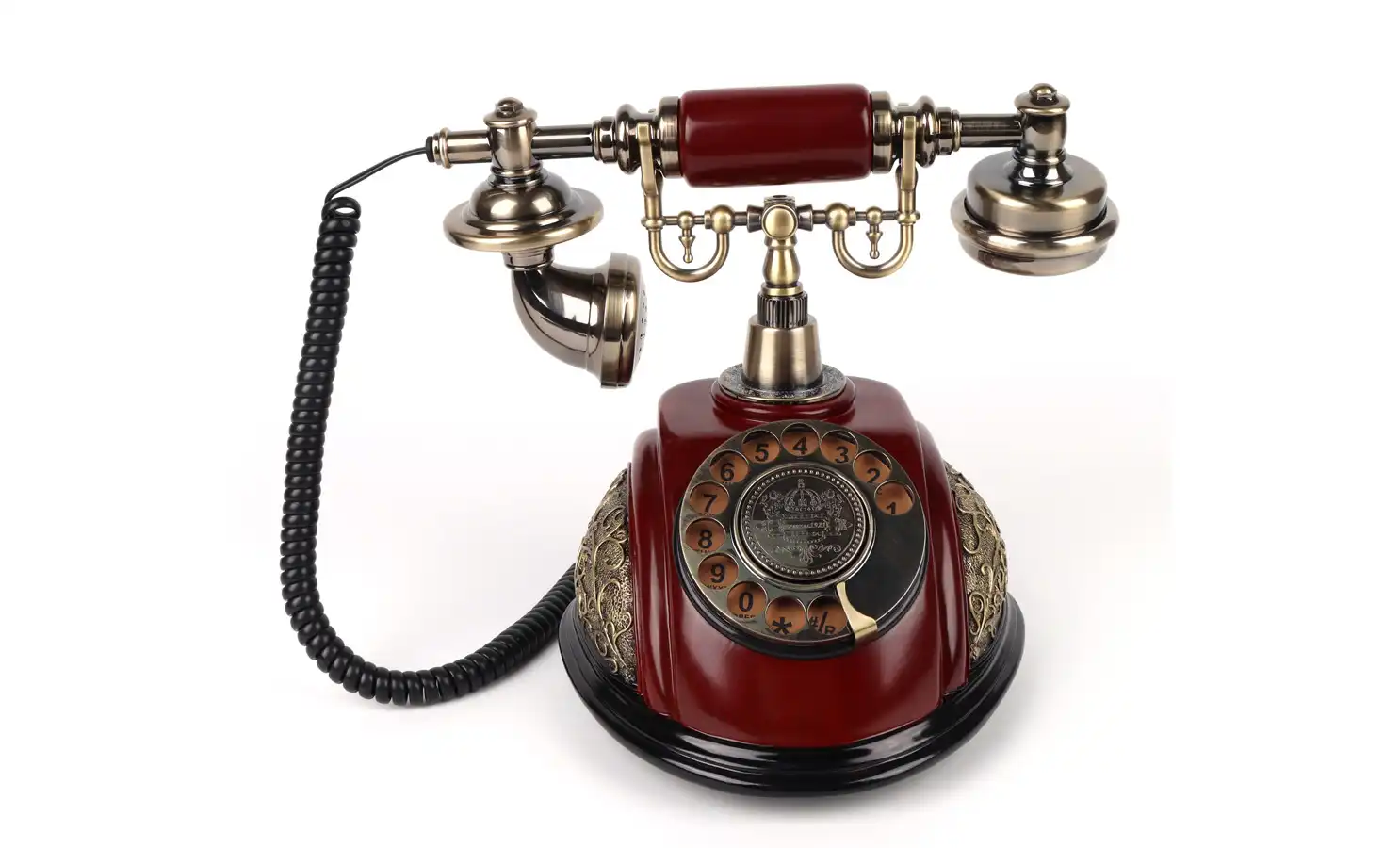
The appeal of vintage telephones cannot be denied, but modern contact needs call for more sophisticated features. Adding these features to designs that are inspired by the past comes with both problems and benefits:
HD Voice Quality
Today's telecom technology makes it possible to transmit voices clearly. This can be done with vintage-style phones without making them look different. Upgrading things like mics and speakers makes the voice quality HD. This lets users enjoy better sound while keeping the standard handset's familiar feel. This merger is a perfect mix of the way things were done in the past and the way things are done now, combining both worlds. By keeping the look of old models intact while improving sound clarity, makers can make phones that work in today's world of communication and look like they were designed in the past.
Smart Connectivity
Bluetooth technology lets old-fashioned phones connect with mobile devices easily, letting people make and get calls on their cell networks. This feature makes vintage-style phones useful for daily conversation by connecting the look of old-fashioned landlines with the ease of modern technology. Because they are wireless, these gadgets let people enjoy the classic look and feel of an old-fashioned phone while also giving them the freedom to use their phones anywhere. This kind of communication makes sure that users don't have to give up usefulness for style. It mixes classic beauty with the ease that modern lifestyles, jobs, and homes require.
Digital Displays
To provide crucial information like caller ID, the time, and alerts, subtle digital screens can be worked into vintage telephone designs. These screens can be hidden behind traditional materials or merged in a way that makes the classic look better while keeping the device's vintage style. This gives people access to current features while keeping the style true to its original form. If you are careful about where you put digital information and use a simple style, you can make sure that the user gets both ease of use and a pleasing overall look. This combines the touchable, romantic appeal of old phones with the usefulness and ease of access to information that modern communication devices are known for.
 Preserving Authenticity While Embracing Innovation
It can be hard to keep the look of old designs intact when you add modern features and technology. This fragile balance needs to be carefully thought about, and new ways of designing things must be found:
Concealed Technology
It takes creative thinking to keep vintage telephone designs original while adding modern features, like hiding tech inside the traditional shell. For instance, a touch-tone keyboard can be hidden under a rotary dial. This way, people can enjoy the physical experience of calling while also getting the benefit of faster entry when they need to. This method keeps the look and feel of old phones that people love while making them easier to use today. Concealed technology makes sure that new additions don't stand out. This lets designers honor the look of older devices while making them work better, resulting in gadgets that are both nostalgic and fully useful for today's communication needs.
Modular Design
Modular design is a new way to combine the look of old things with the usefulness of new ones. People can design their phones based on how much they want to use technology by making parts like handsets, base units, or dial modules that can be swapped out. This method keeps the overall old look, but also allows for improvements to be made, like adding Bluetooth connection, HD talk, or digital screens. Modular design makes things more flexible and allows vintage-inspired gadgets to be used in more ways. It also makes upkeep and personalization easy, giving users control over how it works and how it looks. This makes sure that classic style works well with modern tech needs.
Material Innovation
Material science has come a long way, and now makers can make new materials that look and feel like old ones, like Bakelite or polished wood, while still working with modern electronics. While offering long-lasting performance and a wide range of design options, modern-made materials can copy the warmth, feel, and depth of older ones. With the help of these cutting-edge materials, modern features like wifi connection or microelectronics can be added to vintage telephones without changing how they look. By mixing old-school visual appeal with new-school material performance, designers can keep the look of old phones while making sure they meet today's needs. This makes for phones that are both true to their style and high-tech.
Conclusion
Putting modern features into vintage telephone designs shows how classic styles are still popular and how creative modern engineers are. By carefully adding cutting-edge technology to classic designs, makers can build one-of-a-kind gadgets that please both nostalgic and useful needs. These combination phones are not only useful, they also spark conversations that bring together people of different groups and design styles.
Experience the Best of Both Worlds with CHEETA's Vintage-Inspired Telephones | CHEETA
At CHEETA, we make vintage-style phones that work well in today's world. Our plant in Shenzhen has more than 18 years of OEM/ODM experience, which lets us make new and high-quality communication products. Our group of talented engineers and cutting-edge production methods allow us to make unique solutions that comply with CE, RoHS, FCC, and UN38.3 rules. With CHEETA's vintage telephone collection, you can experience the ideal blend of memories and modern technology. For inquiries about our products or custom orders, please contact us at allen@cheeta.com.cn.

References
1.Smith, J. (2022). "The Evolution of Telephone Design: From Vintage to Modern". Telecommunications History Quarterly, 45(2), 78-92.
2.Brown, A. & Johnson, L. (2021). "Integrating Smart Features in Retro-Inspired Electronics". Journal of Consumer Electronics Design, 17(3), 205-219.
3.Chen, W. (2023). "Material Innovations in Vintage-Style Communication Devices". Advanced Materials for Consumer Products, 8(1), 12-28.
4.Thompson, R. (2020). "The Psychology of Nostalgia in Product Design". Consumer Behavior Review, 32(4), 567-582.
5.Garcia, M. & Lee, S. (2022). "Balancing Form and Function in Modern Vintage-Inspired Telephones". Industrial Design Today, 13(2), 98-113.