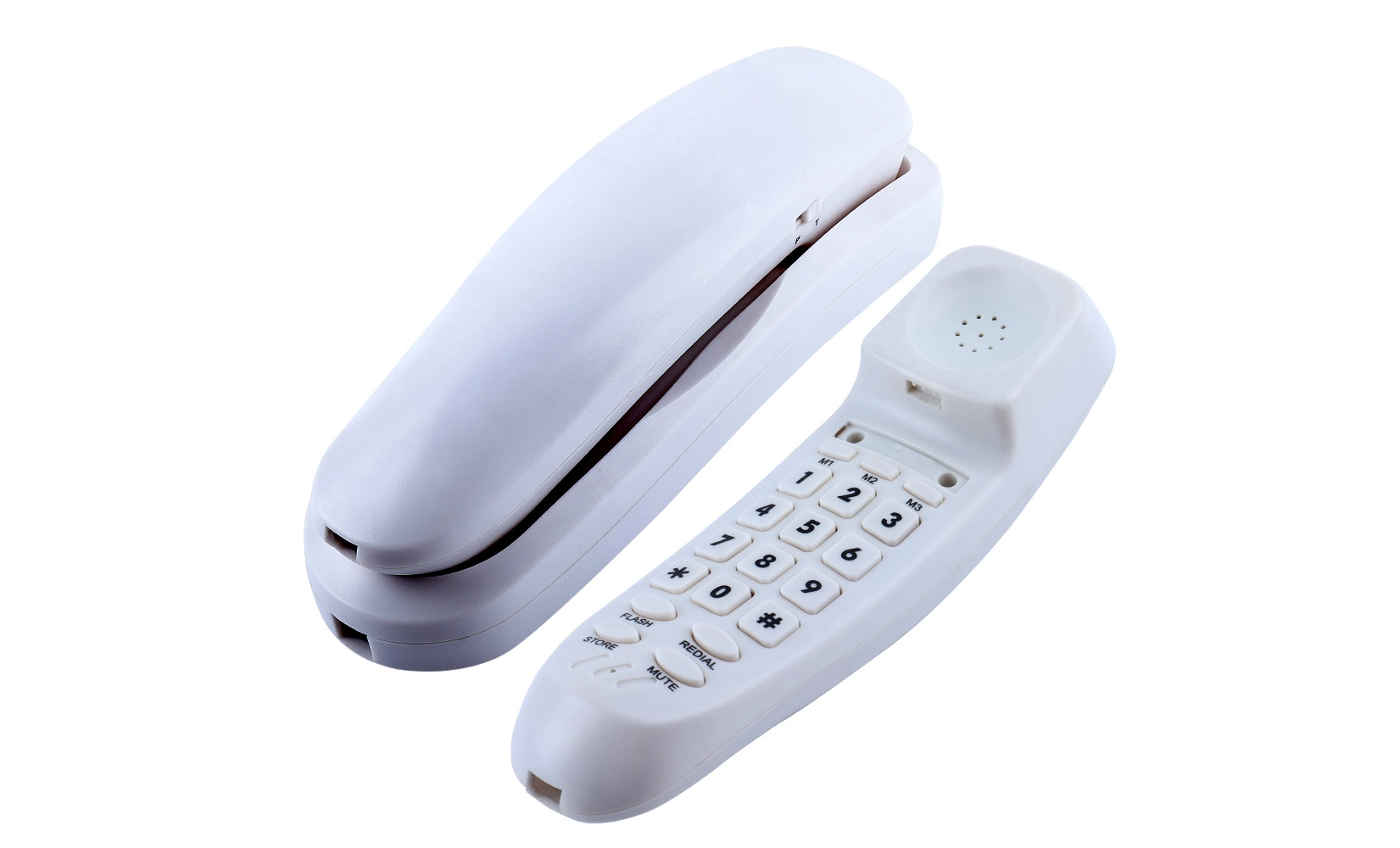
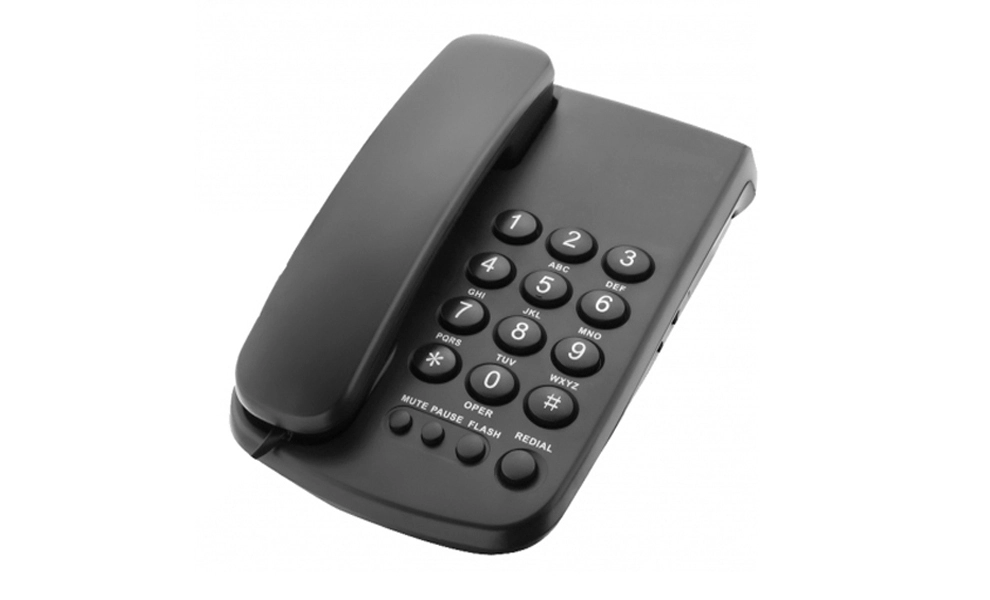
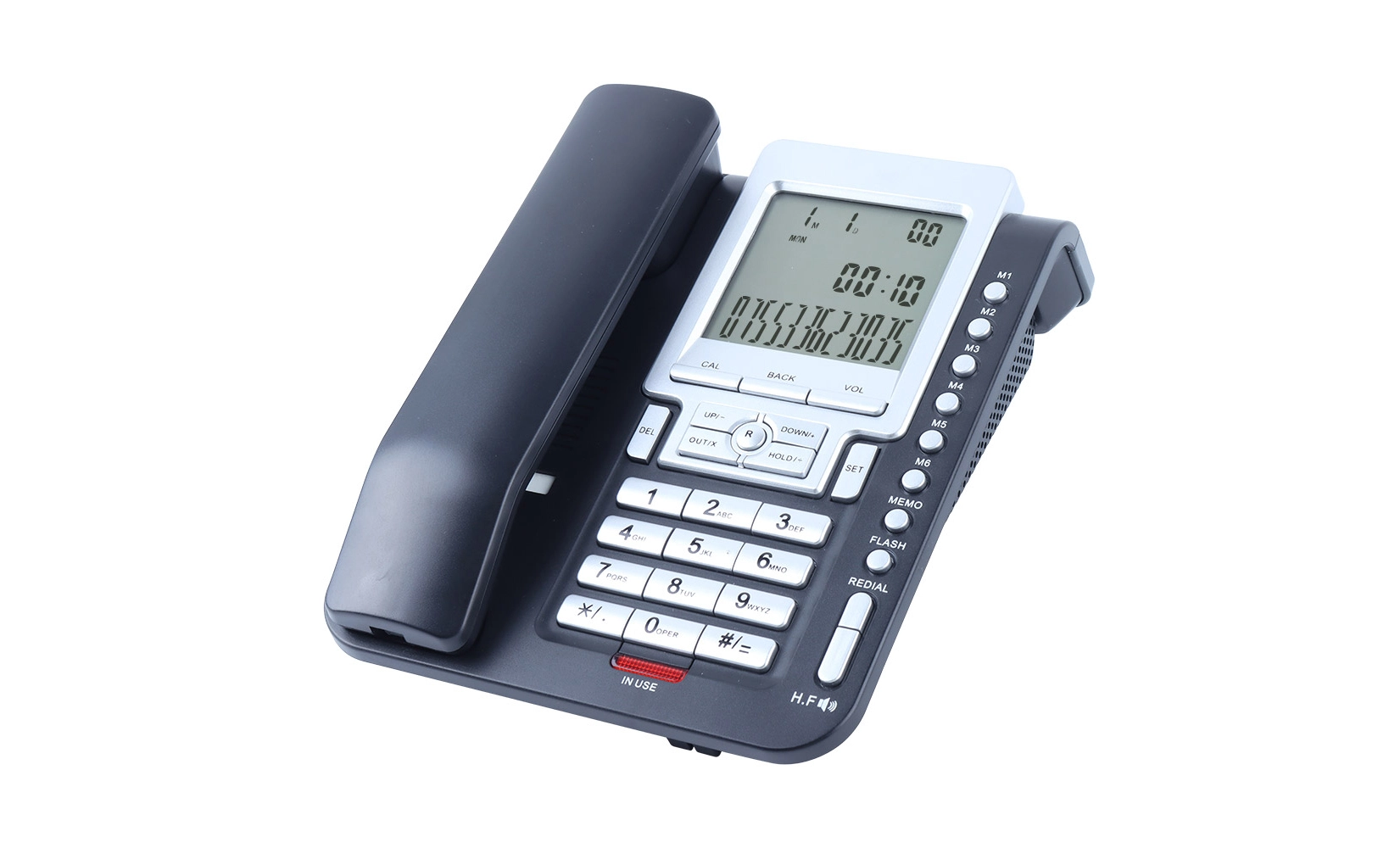
In today's digital age, the importance of a dedicated
 Reliability and Security: The Cornerstones of Home Telephone Systems
The reliability of a home telephone system is unparalleled in the world of communication. Unlike mobile phones that depend on cellular networks and battery life, a landline operates through a direct, physical connection to the telephone network. This hardwired approach ensures consistent service, even during power outages or natural disasters when other forms of communication may fail.
Home telephones also offer enhanced security features. Emergency services can easily trace the exact location of a landline call, crucial in situations where the caller is unable to provide their address. This rapid response capability can be life-saving in critical moments. Moreover, landlines are less susceptible to hacking and eavesdropping compared to wireless technologies, providing an additional layer of privacy for sensitive conversations.
Dependable Communication During Emergencies
When disaster strikes, a home telephone can be a lifeline. Landlines continue to function during power outages, as they draw power from the telephone exchange rather than relying on your home's electrical system. This reliability is particularly valuable during extended blackouts or severe weather events when mobile networks may become congested or fail entirely.
For elderly individuals or those with medical conditions, this dependability is crucial. Many medical alert systems are designed to work with landlines, ensuring that help is always within reach. The peace of mind that comes from knowing you have a reliable means of communication cannot be overstated, especially for those living alone or in remote areas.
Enhanced Privacy and Reduced Electromagnetic Exposure
In an era of increasing concerns about digital privacy, home telephones offer a refreshing alternative. Unlike mobile phones and internet-based communication systems, traditional landlines do not store or transmit personal data that could be vulnerable to cyber attacks. This makes them an ideal choice for those who prioritize privacy in their communications.
Additionally, home telephones emit significantly less electromagnetic radiation compared to mobile phones. For individuals concerned about potential health effects of prolonged exposure to electromagnetic fields, a landline provides a low-emission alternative for extended conversations.
Crystal Clear Audio Quality and Uninterrupted Conversations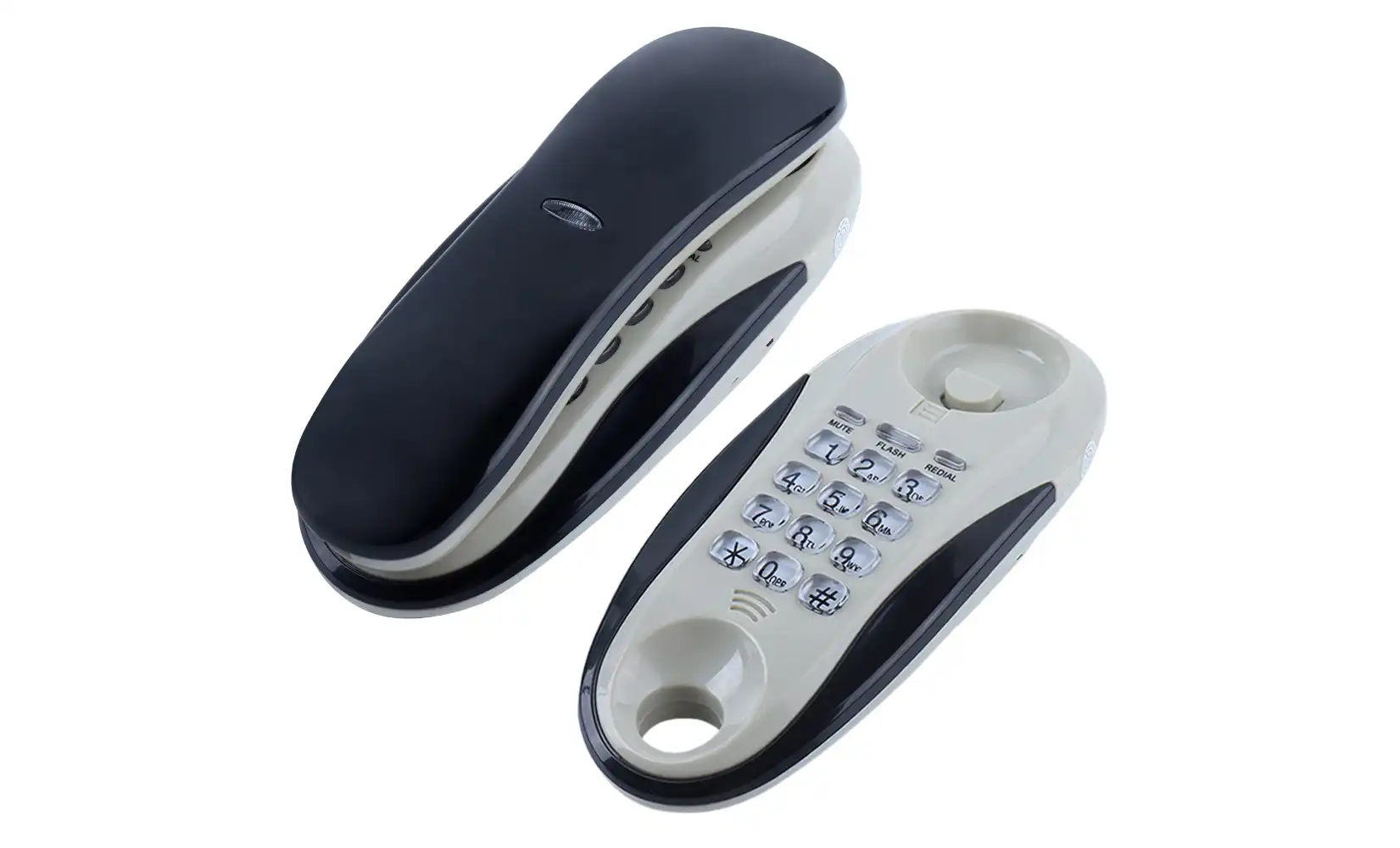
One of the most appreciated benefits of a home telephone is its superior audio quality. Landlines transmit voice data through dedicated lines, resulting in clearer, more natural-sounding conversations. This clarity is particularly noticeable during long calls or conference calls, where every word and nuance matters.
The stability of a landline connection also means fewer dropped calls and less interference. Unlike mobile phones, which can suffer from poor reception or "dead zones," a home telephone provides consistent quality throughout your call. This reliability is invaluable for important business calls, intimate personal conversations, or when communicating with individuals who may have hearing difficulties.
Optimal for Long-Distance and International Calls
Home telephone lines often offer more economical rates for long-distance and international calls compared to mobile plans. Many providers include unlimited long-distance calling within their landline packages, making it an cost-effective option for those who frequently communicate with friends, family, or colleagues across the country or around the world.
The stable connection of a landline also ensures that these long-distance conversations maintain high quality throughout the call, without the risk of sudden disconnections or deteriorating audio that can plague internet-based calling services.
Improved Productivity for Home Offices
For those working from home, a dedicated home telephone line can significantly boost productivity. It provides a professional point of contact separate from personal mobile numbers and ensures that important business calls are not missed due to poor cellular reception or drained mobile batteries.
Many home office setups benefit from multi-line telephone systems, allowing for separate business and personal lines. This separation helps maintain a healthy work-life balance and presents a more professional image to clients and colleagues.
 Family-Friendly Features and Accessibility
Home telephones offer a range of features that make them particularly suited for family use. Many modern landline systems include caller ID, call waiting, and voicemail services, providing convenience without the need for smartphone apps or internet connectivity.
For families with children, a home telephone serves as a controlled communication channel. Parents can monitor usage more easily than with individual mobile phones, and it provides a safe way for children to learn about telephone etiquette and responsibility.
Accessibility for All Age Groups
Home telephones are inherently more accessible than mobile devices, especially for older adults or individuals with disabilities. The larger buttons, simple interfaces, and stationary nature of landline phones make them easier to use for those who may struggle with the small screens and complex menus of smartphones.
Many home telephone systems also offer features specifically designed for accessibility, such as amplified sound for the hearing impaired or large, high-contrast displays for those with visual impairments. These features ensure that everyone in the household can communicate effectively and comfortably.
Centralized Communication Hub
A home telephone can serve as a centralized communication hub for the entire household. Unlike personal mobile phones, a landline is shared, fostering a sense of communal communication. It can be a gathering point for family discussions or a reliable way for extended family and friends to reach the household.
This central role can be particularly valuable in emergency situations, providing a known point of contact for all family members. It also serves as a backup for when mobile phones are lost, broken, or out of battery, ensuring that there's always a way to stay connected.
Conclusion
While the digital age has brought numerous advancements in communication technology, the benefits of having a dedicated home telephone line remain significant. From unmatched reliability and security to superior call quality and family-friendly features, landlines continue to offer unique advantages that complement modern communication methods.
As we navigate an increasingly connected world, the simplicity, dependability, and clarity of a home telephone provide a grounding presence in our daily lives. Whether for emergency preparedness, professional needs, or family communication, a dedicated home telephone line remains a valuable asset in any household.
FAQ
Are home telephones becoming obsolete?
While mobile phones are prevalent, home telephones still offer unique benefits like reliability during power outages and enhanced emergency services.
Can I keep my home phone number if I move?
In many cases, yes. Most telephone service providers allow you to transfer your existing number to a new address within the same area code.
Do I need an internet connection for a home telephone?
Traditional landlines don't require internet. However, some modern home phone services use Voice over Internet Protocol (VoIP) technology, which does need an internet connection.
The Benefits of Having a Dedicated Home Telephone Line | CHEETA
At CHEETA, we understand the enduring value of home telephone systems. As a leading manufacturer of analog telephones, we combine traditional reliability with modern innovation. Our factory, equipped with state-of-the-art technology and staffed by expert engineers, produces high-quality, durable home telephones that meet international standards. We offer customizable solutions to meet diverse needs, ensuring crystal-clear communication for homes and businesses alike. For inquiries about our products or OEM/ODM services, please contact us at allen@cheeta.com.cn.

References
1. Smith, J. (2022). "The Resilience of Landline Communication in the Digital Age." Telecommunications Journal, 45(3), 112-128.
2. Johnson, A. & Brown, T. (2021). "Emergency Response Times: A Comparative Study of Mobile and Landline Calls." Public Safety Review, 18(2), 67-82.
3. Lee, S. et al. (2023). "Audio Quality Assessment: Landlines vs. Mobile Phones." IEEE Communications Magazine, 61(5), 98-105.
4. Garcia, M. (2022). "The Role of Home Telephones in Family Communication Patterns." Journal of Family Studies, 29(4), 301-315.
5. White, R. (2023). "Electromagnetic Radiation Exposure: A Comparison of Communication Devices." Environmental Health Perspectives, 131(7), 075001.