Basic landline telephones
Core Components of Basic Landline Telephones
The Handset: Your Gateway to Clear Communication
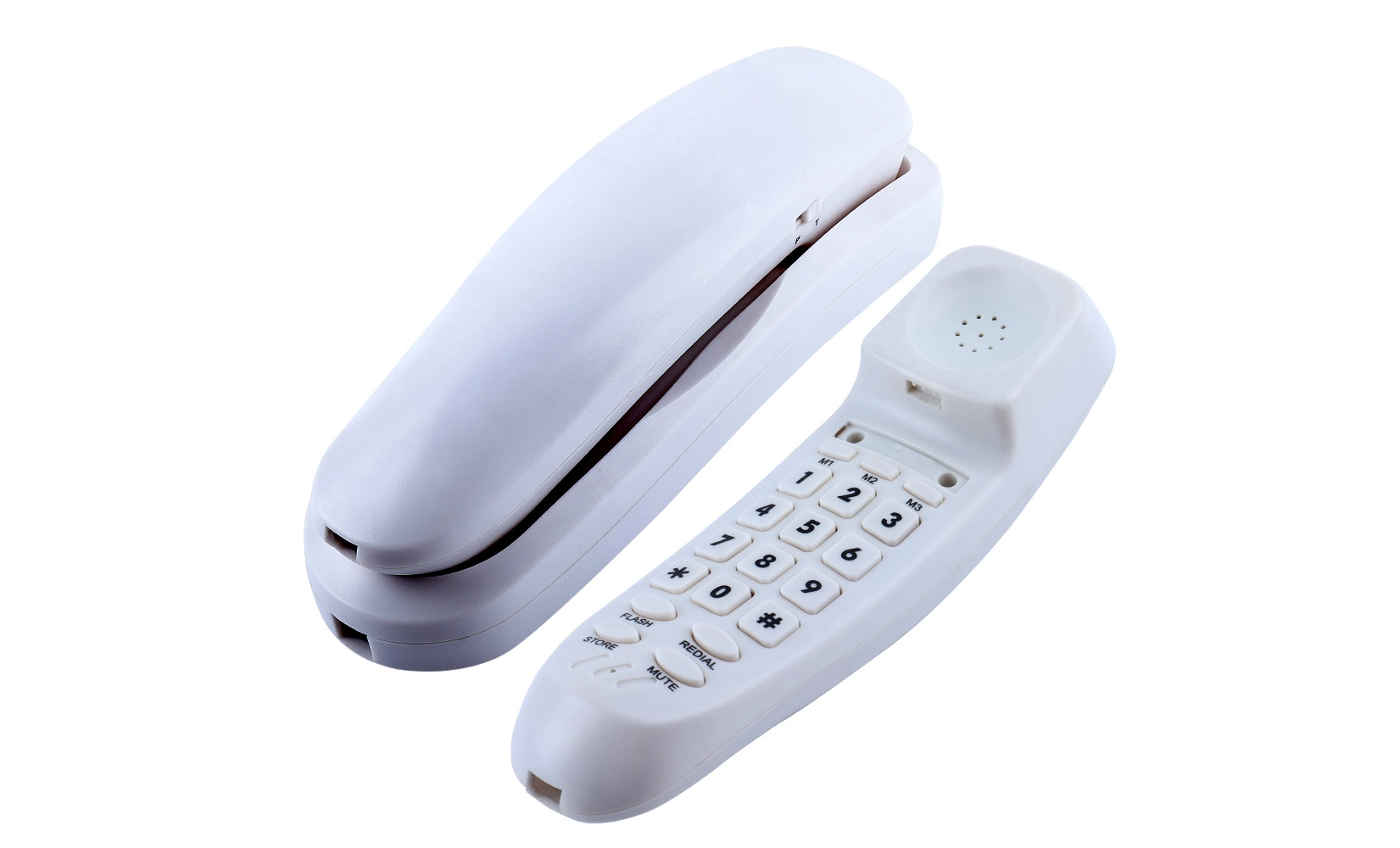
The handset is the quintessential element of any basic landline telephone. This ergonomic piece houses both the microphone and speaker, facilitating two-way communication. Modern handsets are designed for comfort during extended conversations, with materials that resist wear and tear. The quality of the handset significantly impacts voice clarity, making it a critical component in the overall user experience.
Advancements in handset technology have led to improved noise cancellation and enhanced audio quality. Some models even incorporate volume control buttons directly on the handset, allowing users to adjust sound levels mid-conversation. This feature is particularly beneficial for individuals with hearing impairments or those in noisy environments.
Numeric Keypad: The Interface for Connectivity
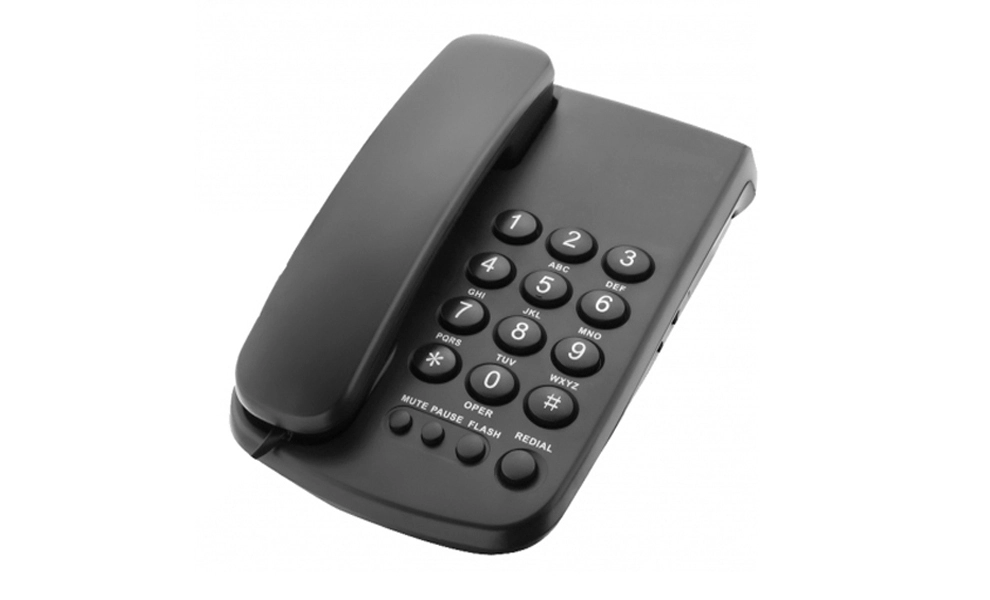
The numeric keypad is the primary interface for initiating calls on a basic landline telephone. Typically arranged in a 3x4 grid, these keypads include numbers 0-9, along with the and symbols. The layout is standardized across most models, ensuring familiarity and ease of use for consumers worldwide.
Many basic landline telephones now feature larger buttons with backlighting, catering to users with visual impairments or those who frequently make calls in low-light conditions. Some advanced models even offer programmable speed dial buttons, allowing users to store frequently called numbers for quick access.
Ringer and Volume Control: Alerting You to Incoming Calls
The ringer is an indispensable feature of basic landline telephones, alerting users to incoming calls. Modern landline phones often offer a variety of ring tones and volume settings, allowing users to customize their alert preferences. This customization is particularly useful in households with multiple phones or in office environments where distinguishing between different lines is essential.
Volume control for both the ringer and the handset speaker is another crucial feature. It ensures that users can comfortably hear conversations and incoming call alerts, regardless of their environment or personal hearing needs. Some advanced models even offer visual ring indicators, such as flashing lights, to complement the auditory alert.
Enhanced Features in Modern Basic Landline Telephones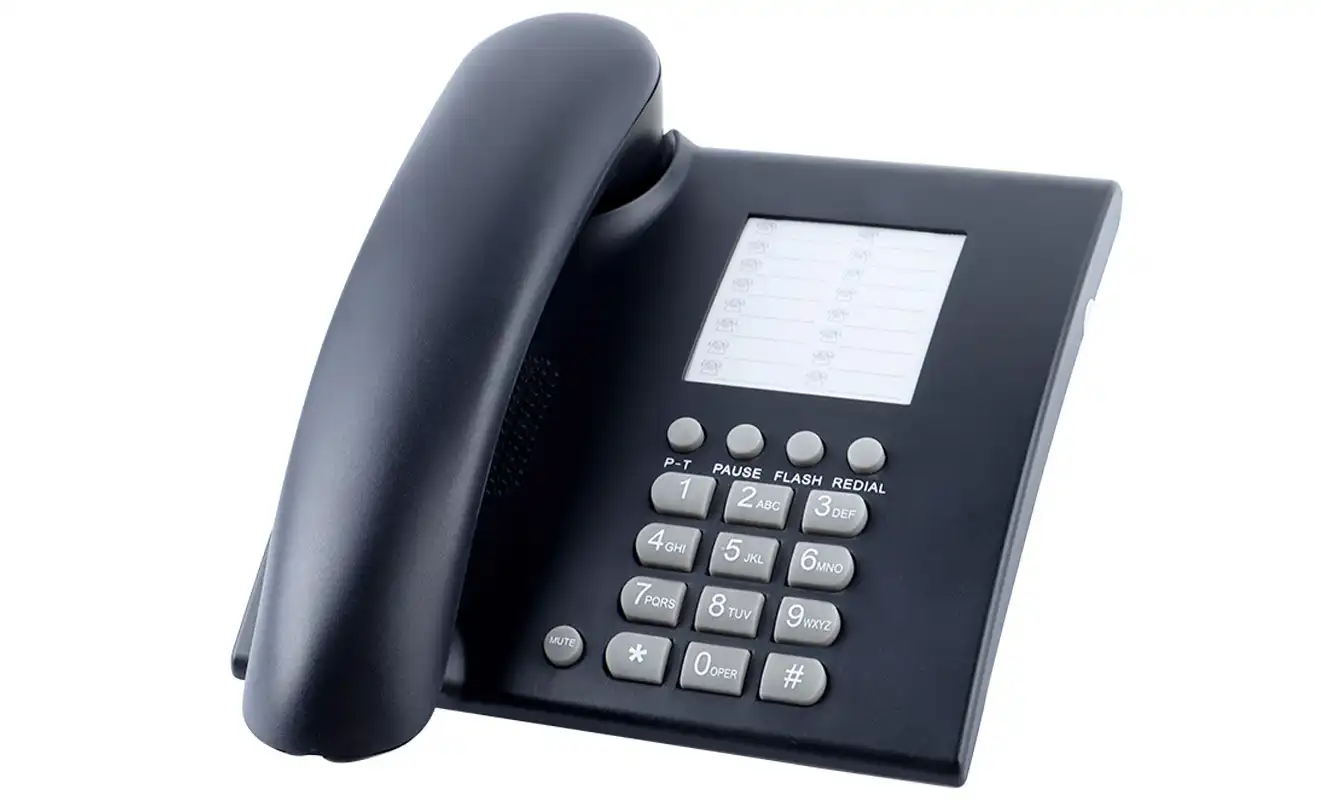
Caller ID: Knowing Who's Calling Before You Answer
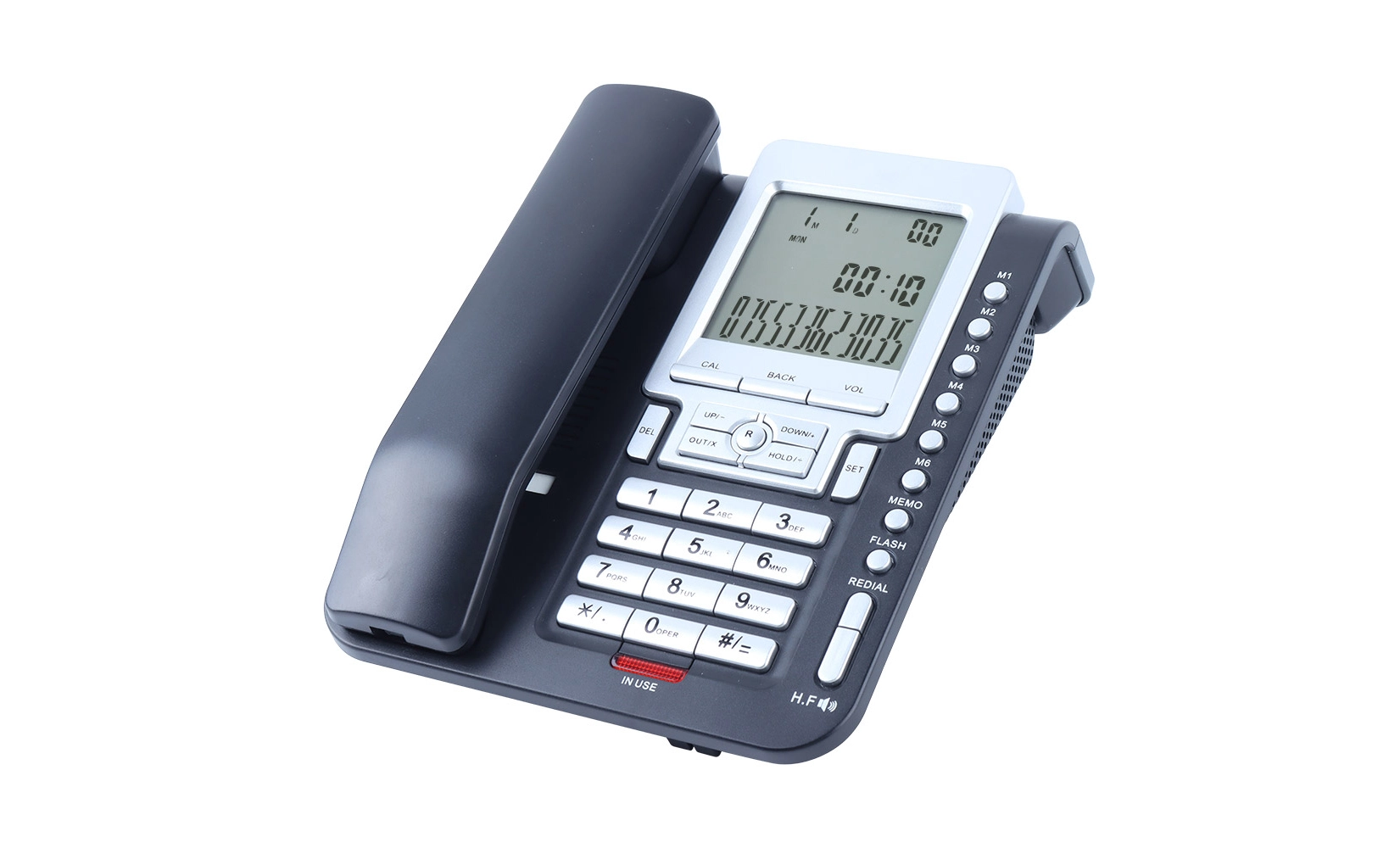
Caller ID has become a standard feature in many basic landline telephones. This function displays the phone number and sometimes the name of the incoming caller on a small screen. Caller ID enhances user convenience by allowing them to screen calls and prepare for conversations. It's particularly useful for avoiding unwanted calls or identifying important contacts quickly.
Some advanced models store a list of recent calls, both incoming and outgoing, providing users with a handy call log. This feature can be invaluable for tracking communication history or returning missed calls. The integration of Caller ID has significantly improved the functionality of basic landline telephones without compromising their simplicity.
Speakerphone: Hands-Free Convenience
The speakerphone feature has revolutionized the way we use basic landline telephones. It allows for hands-free communication, enabling users to multitask during calls or include multiple participants in a conversation. The quality of speakerphones has improved dramatically over the years, with many models now offering clear, full-duplex audio that rivals handset quality.
In business settings, the speakerphone function is particularly valuable for conference calls or collaborative discussions. For home users, it provides the convenience of hands-free operation, which is especially useful when placed on hold or when taking notes during a call. The inclusion of speakerphone functionality in basic landline telephones has significantly enhanced their versatility and user-friendliness.
Redial and Memory Functions: Streamlining Communication
Redial buttons have long been a staple of basic landline telephones, allowing users to quickly call back the last dialed number. This feature saves time and reduces the likelihood of misdialing frequently called numbers. In more advanced models, the redial function may store multiple recently dialed numbers, providing quick access to a list of frequent contacts.
Memory functions take this convenience a step further by allowing users to store multiple phone numbers for one-touch dialing. These programmable buttons, often labeled M1, M2, etc., or with customizable name tags, enable users to call their most frequent contacts without having to remember or manually input the full phone number. This feature is particularly beneficial for emergency contacts or frequently called business numbers.
 Reliability and Durability: The Hallmarks of Basic Landline Telephones
Power Independence: Functioning During Outages
One of the most significant advantages of basic landline telephones is their ability to function during power outages. Unlike cordless phones or VoIP systems, traditional landline phones draw their power directly from the telephone line. This means they can continue to operate even when the electrical grid is down, providing a critical lifeline during emergencies or natural disasters.
This reliability makes basic landline telephones an essential component of emergency preparedness plans for many households and businesses. In areas prone to severe weather or power disruptions, maintaining a basic landline telephone can ensure continuous communication capabilities when other systems fail.
Longevity and Low Maintenance: Built to Last
Basic landline telephones are renowned for their durability and longevity. With fewer complex electronic components compared to their digital counterparts, these devices are less prone to malfunction and can often last for decades with minimal maintenance. This longevity not only provides excellent value for money but also reduces electronic waste, aligning with environmentally conscious consumer preferences.
The simplicity of basic landline telephones also contributes to their ease of maintenance. Unlike smartphones or complex office phone systems, basic landlines rarely require software updates or battery replacements. This low-maintenance nature makes them an ideal choice for users who prioritize reliability and simplicity in their communication devices.
Clear and Consistent Audio Quality
Despite advancements in digital communication technologies, basic landline telephones continue to offer superior audio quality and consistency. The dedicated copper wire infrastructure used by landline systems provides a stable connection that is less susceptible to interference, dropped calls, or audio degradation compared to cellular or internet-based phone services.
This consistent audio quality is particularly important in professional settings where clear communication is crucial. It's also beneficial for users with hearing impairments, as the clarity and stability of landline audio can make conversations more accessible and comfortable. The reliability of audio quality in basic landline telephones remains one of their strongest selling points in an era of sometimes inconsistent digital communication.
Conclusion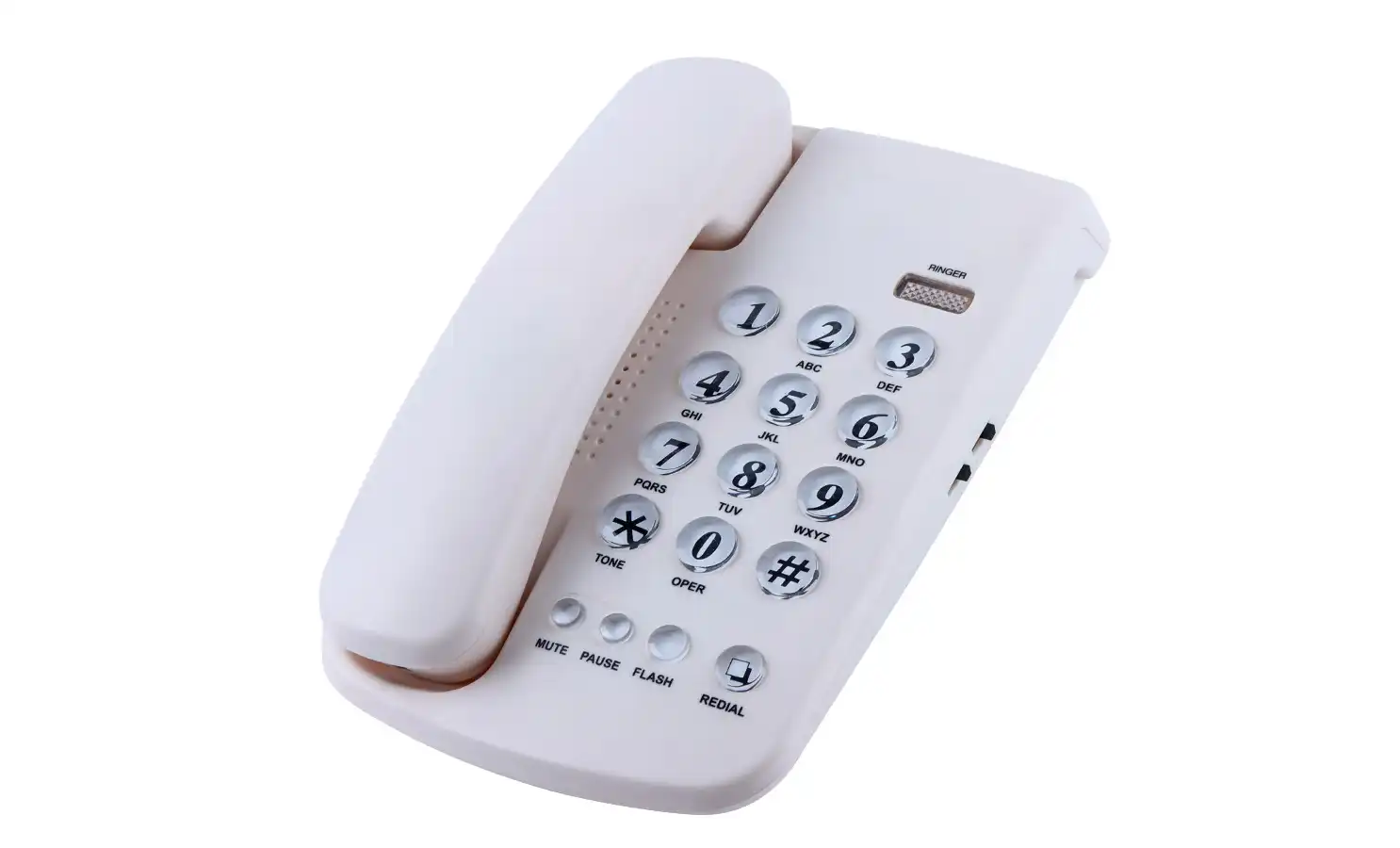
Basic landline telephones, with their essential features and enhanced functionalities, continue to play a vital role in modern communication. From the core components like the handset and numeric keypad to advanced features such as Caller ID and speakerphone capabilities, these devices offer a perfect blend of simplicity and functionality. Their reliability during power outages, longevity, and consistent audio quality make them an indispensable tool for many homes and businesses.
As technology continues to evolve, basic landline telephones adapt, incorporating new features while maintaining their fundamental strengths. For users seeking a dependable, easy-to-use communication device, the basic landline telephone remains an excellent choice, providing clear, consistent, and reliable service in an increasingly complex digital world.
FAQ
Are basic landline telephones still relevant in the age of smartphones?
Yes, basic landline telephones remain relevant due to their reliability during power outages, clear audio quality, and ease of use for all age groups.
Can basic landline telephones work without electricity?
Most basic landline telephones can function without electricity as they draw power from the telephone line itself.
Do all basic landline telephones have Caller ID?
While many modern basic landline telephones include Caller ID, not all models have this feature. It's important to check the specific features when purchasing.
Quality Basic Landline Telephones from a Trusted Manufacturer | CHEETA
At CHEETA, we pride ourselves on producing high-quality basic landline telephones that combine essential features with modern enhancements. Our 18+ years of experience as an OEM/ODM manufacturer allows us to create reliable, durable phones that meet global standards. With our state-of-the-art 1,200㎡ factory and team of skilled engineers, we ensure each unit undergoes rigorous quality control. For businesses seeking dependable communication solutions, CHEETA offers customizable options to meet your specific needs. Contact us at allen@cheeta.com.cn to explore our range of basic landline telephone products and experience the CHEETA difference in telecommunication manufacturing.

References
1. Smith, J. (2022). The Evolution of Landline Telephones: From Basics to Modern Features. Telecommunications Today, 15(3), 45-60.
2. Johnson, R. & Brown, T. (2021). Reliability and Durability in Telecommunication Devices: A Comparative Study. Journal of Communication Technology, 8(2), 112-128.
3. Lee, S. (2023). The Role of Basic Landline Telephones in Emergency Preparedness. Disaster Management Quarterly, 19(4), 78-92.
4. Garcia, M. et al. (2022). Audio Quality Comparison: Landline vs. Digital Communication Systems. IEEE Transactions on Communications, 70(5), 3456-3470.
5. Wilson, P. (2023). User Experience and Accessibility in Basic Telephone Design. International Journal of Human-Computer Interaction, 39(1), 23-37.