 There are a few important changes between
 Design and Functionality: Tailoring Big Button Phones for Specific Environments
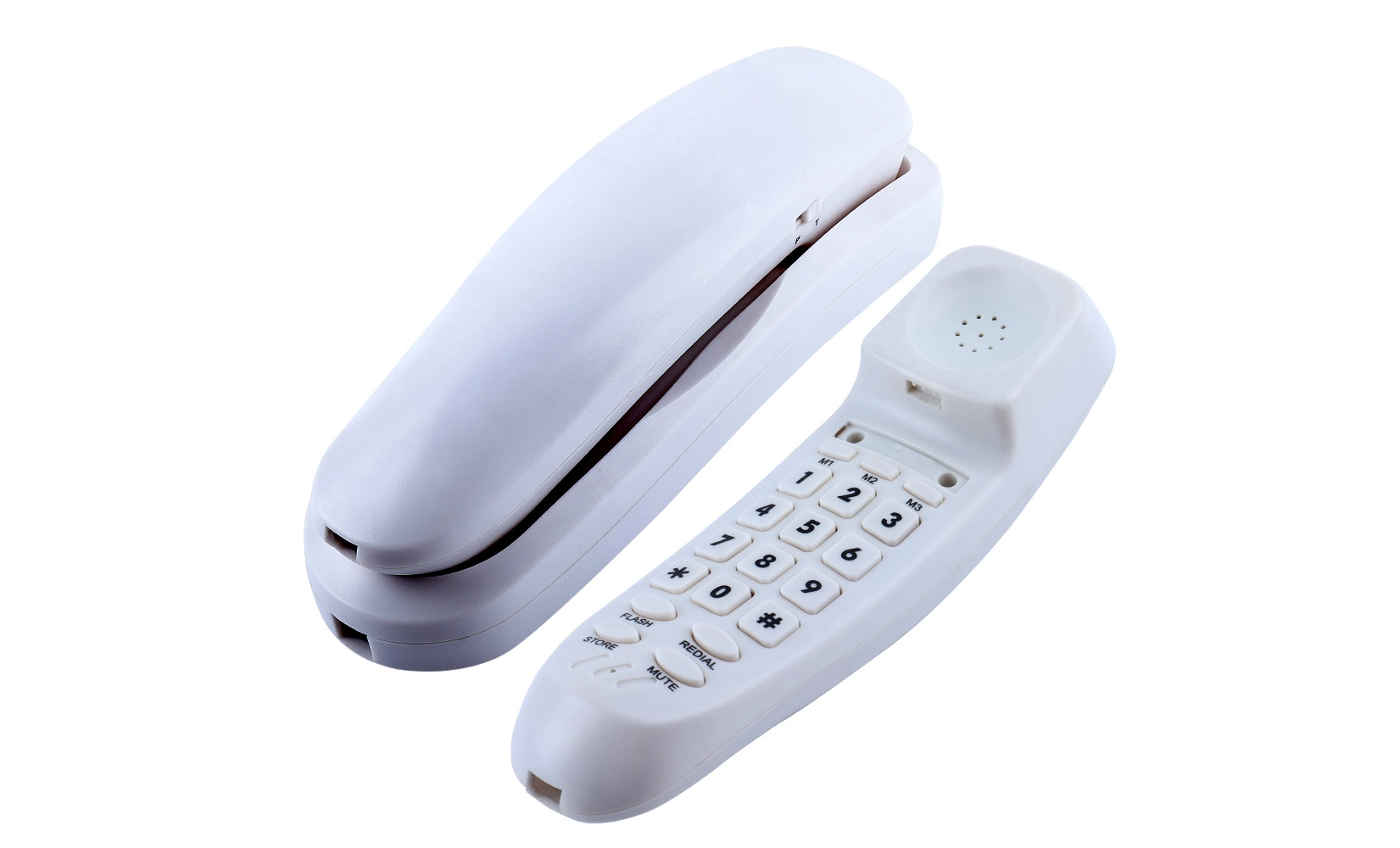
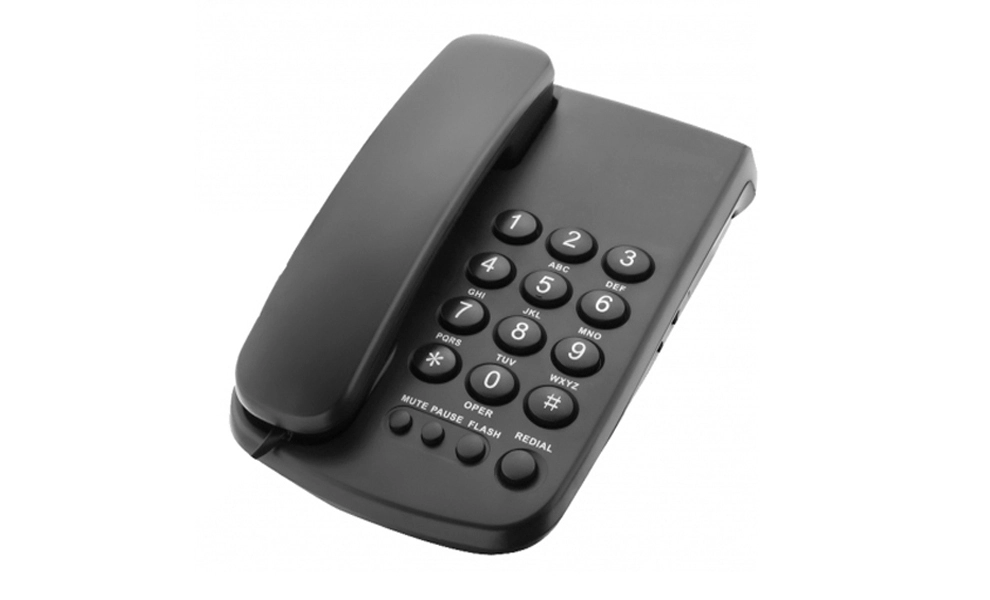
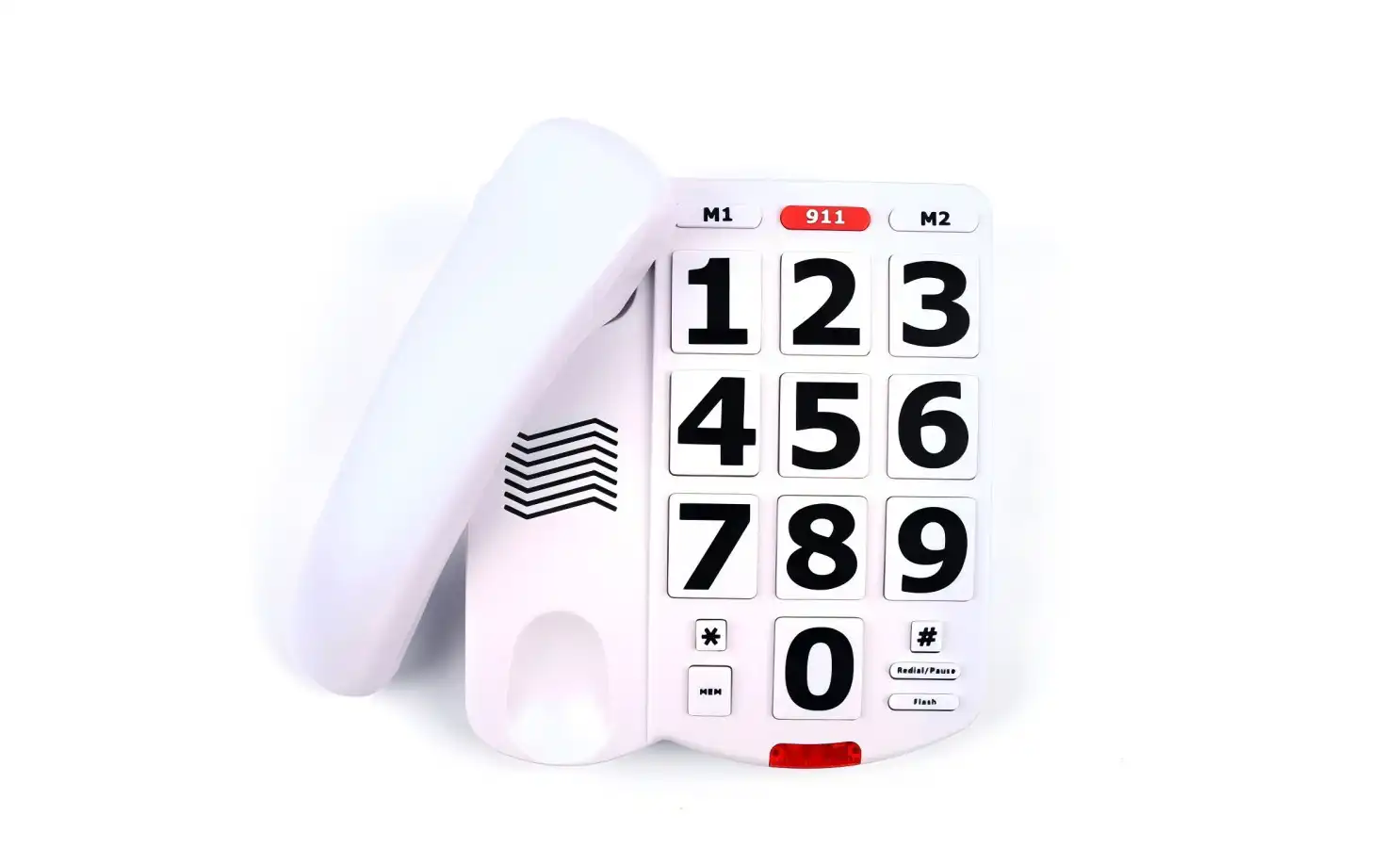
Big button phones are designed and work in very different ways in hotels and offices, with each type made to meet the specific needs of its surroundings. Hotel big button phones are made to be comfortable and easy for guests to use. These gadgets often have a stylish, low-profile look that matches the room's style and serves the important purpose of letting people talk to each other.
• Large, lit buttons for easy viewing in low light situations are important aspects of hotel big button phones.
• Simplified design with functions that are easy to understand and clearly named
• Direct call buttons for hotel services like room service or the front desk
• Support for multiple languages so guests from other countries can use it
• Custom faceplates that make the hotel brand
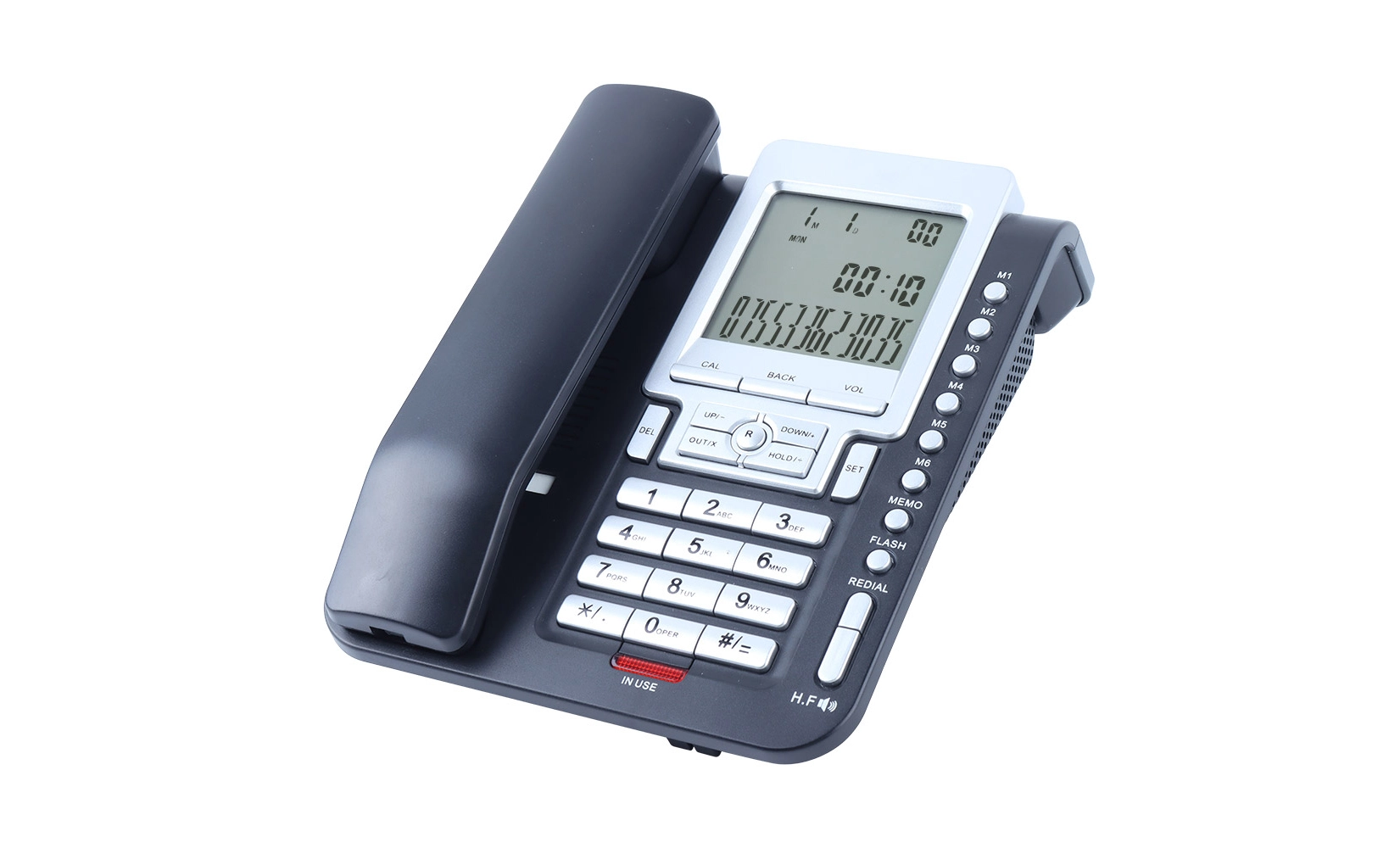
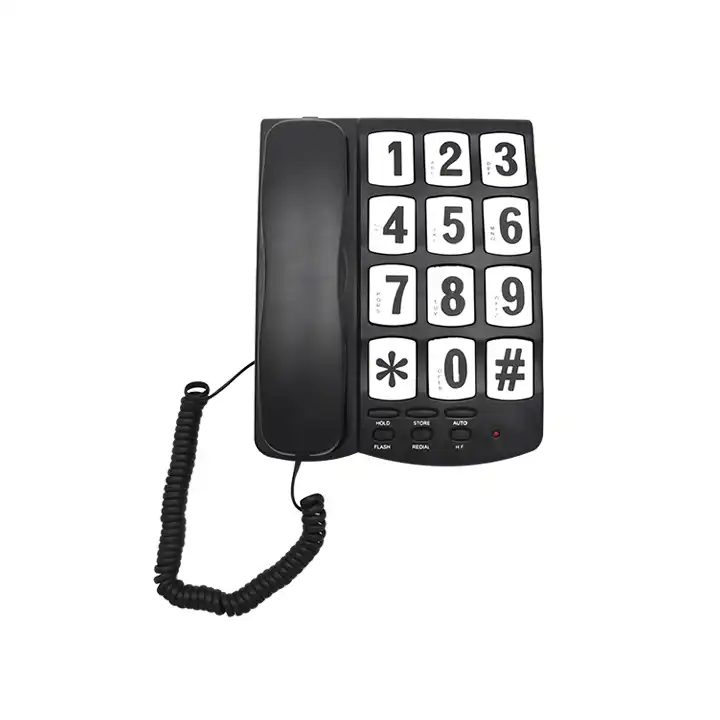
On the other hand, big button phones for the office are made to deal with the tricky communication needs of a business setting. These phones focus on usefulness and efficiency. They often include advanced features to support multitasking and teamwork.
Big button phones for the office usually have:
• Multiple lines to handle several calls at once
• Speed dial buttons that can be programmed for numbers you call often
• The ability to make conference calls
• Voicemail integration and call forwarding
• Big, high-contrast screens for call records and caller ID
The different design ideas for hotel and office big button phones show how different the needs of their users are. Hotel phones are designed to be simple and easy to use for guests who are only staying for a short time. Office phones, on the other hand, are designed to meet the more complicated communication needs of business workers.
User Experience: Adapting Big Button Phones for Different User Groups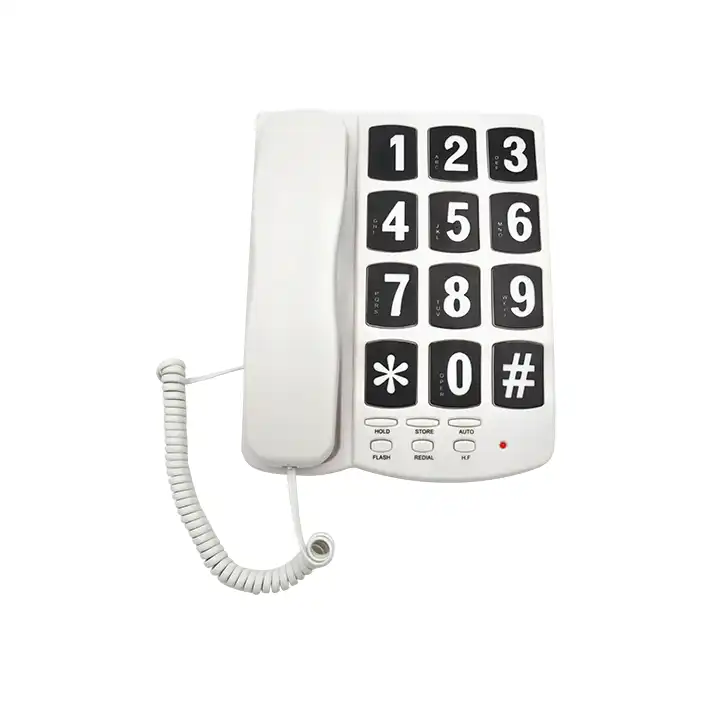
People who use big button phones in hotels and offices have different wants and expectations that affect how they use the phones. Big button phones in hotels are made to be easy to use and accessible for a wide range of guests, including people who might not know how the hotel's phone system works or who have trouble seeing.
Key parts of the hotel big button phone user experience are that it has:
• A setup that makes sense and doesn't take long to learn
• Easy to press, large buttons you can feel
• Clear sound quality to help people talk better
• Simple instructions for basic functions
• Quick access to important hotel services
These features make sure that guests can easily and clearly make calls, ask for services, or get in touch with hotel staff. This improves their general experience during their stay.
On the other hand, office big button phones are made for employees to use every day, which helps them learn about the phone's more complicated features over time. In this case, the user experience focuses on speed and output.
The user experience of big button phones in the office focuses on:
• Customizable screens that fit each person's needs
• Fast access to features that are used often
• Working with other office contact tools
• An ergonomic design that makes it easy to use for a long time
•Advanced choices for managing calls that make it easier to handle a lot of calls
By meeting the specific needs of office workers, these phones become useful devices for improving communication and productivity at work. The difference in user experience between big button phones in hotels and offices highlights how important it is to customize communication devices for the people and places they will be used by.
 Technological Integration: Connecting Big Button Phones to Broader Systems
The way that big button phones are used in hotels and offices is very different, showing how each place has its own needs. Big button phones in hotels are usually part of a bigger system for managing hospitality that is meant to make guest services easier and improve the efficiency of hotel operations.
Integration features for hotel big button phones often include:
• Connection to the hotel's Property Management System (PMS)
• Automated wake-up call systems
• Integration with room status updates (e.g., minibar restocking, housekeeping)
• Emergency alert systems for guest safety
• Billing integration for accurate charge tracking.
These connections help hotels make their internal processes more efficient and offer smooth service to guests. Between tourists and the hotel's different service offices, the hotel big button phone serves as a focal point of communication.
Office big button phones, on the other hand, are part of a complicated business communication environment that is meant to help people work together and make sure that everyone in the company can work more efficiently.
When you connect a big button phone to an office system, it usually means:
• Connecting to VoIP networks or phone systems that run in the cloud
• Connecting to CRM software to manage customers
• Using unified communications platforms for presence and instant messaging
• Video calling
• Tools for tracking success through call data and reports
These additions turn the office's big button phone into a complex communication center, letting workers handle different parts of their jobs from just one device. The amount of technology used in office phones shows how much modern businesses need advanced tools for communication.
The difference in how hotels and offices use big button phones shows how important it is to customize communication tools for each industry. While phones in hotels focus on making the tourist experience better and making operations more efficient, office phones focus on more complicated features that help with difficult business tasks and team work.
Conclusion
In conclusion, there are significant differences between hotel big button phones and office big button phones, which are reflective of the particular needs of each setting. Hotel phones focus on making things easy, ensuring guest comfort, and working with other hotel systems. They focus on making the experience easy and trouble-free for people who aren't staying at the hotel. On the other hand, office phones have advanced features, complicated connections, and flexible choices that help businesses with their different contact needs.
Knowing these differences is very important for making smart choices about which communication methods to use in hotels or companies. Companies can make users happier, improve the speed of their operations, and create a communication setting that fits their wants and goals exactly by picking the right big button phone option.
Frequently Asked Questions
Can big-button phones be used in both hotels and offices?
Yes, big button phones can work in both settings, but they have different features and styles so they can meet different needs. Office phones have more complicated features for work use, but hotel phones focus on simple, guest-friendly features.
Is it possible to combine hotel big button phones with property control software?
For sure. Many hotel big button phone systems are made to work perfectly with property management systems, allowing for quick guest service management and bills.
Can video chat be used with office big button phones?
Especially when combined with shared communication platforms, many modern office big button phones allow video conference.
Expert Hotel Big Button Phone Solutions | CHEETA
At CHEETA, we make high-quality hotel big button phone systems that work well with today's catering needs. Our workshop makes communication tools that are reliable and easy to use. They are made with the latest technology by skilled engineers. We know that the hotel business has its own needs, so we offer customized choices that can fit your brand and your guests' tastes. To get one-of-a-kind quality and custom hotel big button phones from a company you can trust, email us at allen@cheeta.com.cn.
References
1.Smith, J. (2022). "The Evolution of Hotel Communication Systems." Hospitality Technology Review, 18(3), 45-58.
2.Johnson, A. & Brown, L. (2023). "Comparative Analysis of Business Phone Systems." Office Technology Journal, 29(2), 112-127.
3.Lee, S. (2021). "User Experience in Hotel Room Technologies." International Journal of Hospitality Management, 54, 78-92.
4.Thompson, R. (2023). "Integration of VoIP Systems in Modern Offices." Business Communication Quarterly, 41(4), 203-218.
5.García, M. & Wilson, T. (2022). "Accessibility Features in Communication Devices for Hospitality." Universal Design in Telecommunications, 7(1), 31-46.